Home projects are no longer limited to professional contractors or experienced carpenters. More homeowners now enjoy fixing, upgrading, and customizing their spaces on their own. From repairing a loose cabinet hinge to building a backyard shelf, DIY work has become part of modern home ownership. One reason for this shift is the growing availability of practical and affordable tools for home projects. With the right equipment, even beginners can complete impressive work safely and efficiently.
Many people start DIY projects to save money, but the long-term value goes far beyond finances. Learning basic repair skills builds confidence and reduces dependence on outside help for small tasks. It also creates a stronger connection with the home itself. A person who knows how to repair, paint, organize, and improve their living space often feels more comfortable handling future challenges. However, successful DIY work depends heavily on preparation, and preparation begins with the right tools.
Choosing reliable tools does not mean buying an expensive professional workshop immediately. It means understanding which tools matter most and why each one serves a purpose. A well-planned tool collection makes projects smoother, safer, and less stressful. Whether someone wants to fix plumbing leaks, install shelves, paint walls, or handle garden maintenance, having the correct equipment changes everything.
Understanding the Importance of Tools for Home Projects
Good tools improve accuracy, safety, and overall project quality. Cheap or incorrect tools often create frustration and lead to mistakes. For example, using the wrong screwdriver size can strip screws, while poor-quality measuring tools may cause uneven installations. Reliable tools allow users to work more confidently and produce cleaner results.
The difference between occasional DIY work and regular home maintenance also affects tool selection. Someone who only performs small repairs may only need basic hand tools, while homeowners who frequently renovate rooms or build furniture benefit from investing in power tools and advanced equipment. Understanding personal needs helps avoid unnecessary purchases while still creating a functional toolkit.
Another important factor is durability. High-quality tools last longer and often provide better comfort during use. Ergonomic handles, stronger materials, and reliable performance reduce fatigue and improve safety. Many experienced DIY enthusiasts recommend buying fewer tools initially but choosing dependable versions that can handle repeated use over time.
Essential Hand Tools Every Home Should Have
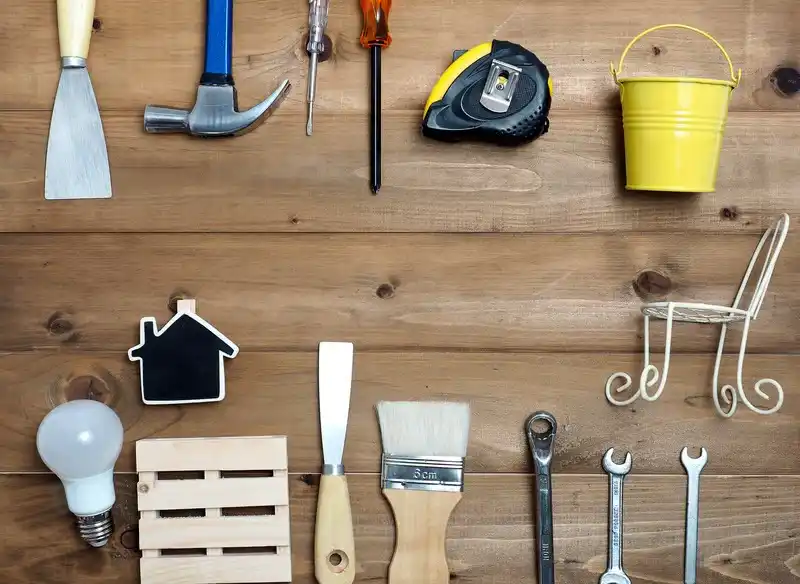
Hand tools remain the foundation of all home improvement work. Even advanced power tools cannot replace the usefulness of simple manual equipment. A claw hammer is one of the most essential items because it helps with construction, furniture assembly, and nail removal. Screwdrivers are equally important. Both flat-head and Phillips-head options are necessary because different screws require different designs.
An adjustable wrench provides flexibility for tightening bolts and plumbing fixtures. Pliers are another must-have because they help grip, bend, and cut materials during repairs. Needle-nose pliers are especially useful for electrical tasks or reaching small spaces. Utility knives also play a major role in DIY work because they cut cardboard, drywall, carpet, plastic, and packaging with precision.
Measuring tools are critical for accuracy. A sturdy tape measure prevents uneven installations and wasted materials. Many beginners underestimate the importance of proper measurement, but inaccurate cuts and placements can ruin an entire project. A level is equally important because shelves, frames, and furniture must remain balanced. A combination square also helps maintain straight lines and precise angles during woodworking or installation work.
Experts often recommend building a strong hand-tool foundation before purchasing expensive power equipment. These tools remain useful in nearly every home project and continue to serve homeowners for decades.
Power Tools That Make DIY Projects Easier
Power tools reduce physical effort and speed up difficult tasks. Among all power tools, the cordless drill is often considered the most important. It drills holes, drives screws, and handles countless repair tasks. Modern cordless drills are lightweight, rechargeable, and suitable for both beginners and experienced DIY users.
Impact drivers are another valuable addition because they provide extra torque for driving long screws into dense materials. They are especially useful during deck building, furniture assembly, and renovation projects. Circular saws allow homeowners to cut wood quickly and accurately, while jigsaws help create curved or detailed cuts.
Oscillating multi-tools have become extremely popular because they handle sanding, scraping, cutting, and trimming in tight spaces. These versatile tools save time during remodeling work. Sanders also improve project quality by creating smooth surfaces before painting or staining furniture.
Battery technology has significantly improved modern power tools. Cordless systems now offer longer runtime and greater convenience. Many brands design interchangeable battery platforms, allowing users to power multiple tools with the same battery system. This reduces clutter and lowers long-term costs.
Safety Equipment Often Overlooked by DIY Beginners
Many DIY accidents happen because people focus more on tools than protection. Safety equipment should never be treated as optional. Protective eyewear shields the eyes from flying debris, sawdust, and chemical splashes. Gloves protect hands from cuts, splinters, and sharp materials, especially during demolition or gardening work.
Dust masks and respirators are equally important when sanding, painting, or cutting materials that release fine particles. Long-term exposure to dust can create serious respiratory problems. Ear protection also matters because loud power tools can damage hearing over time.
Safe habits are just as important as safety gear. Homeowners should always unplug tools before changing blades or performing maintenance. Reading instruction manuals helps users understand safe operating procedures. Rushing through projects often leads to injuries, so patience and careful planning remain essential.
Experienced DIY professionals consistently emphasize that no project is worth risking personal safety. Good habits developed early create a safer and more enjoyable DIY experience in the future.
Best Tools for Painting and Decorating Projects
Painting appears simple, but professional-looking results depend heavily on preparation and proper tools. High-quality paint brushes create smoother finishes and reduce visible streaks. Rollers cover large areas efficiently and save time during wall painting. Different roller thicknesses work better for different wall textures, so choosing the right option matters.
Drop cloths protect floors and furniture from spills. Painter’s tape creates clean edges around ceilings, trim, and windows. Paint trays, extension poles, and edging tools also help improve efficiency during larger projects.
Surface preparation tools are equally important. Putty knives assist with filling cracks and smoothing surfaces before painting begins. Sanding blocks remove imperfections and improve paint adhesion. Many beginners focus only on paint color, but experienced decorators know that preparation determines the final appearance.
Decorating projects also benefit from stud finders, wall anchors, and measuring tools. Hanging artwork, mirrors, or shelves becomes easier and safer when proper installation tools are available.
Plumbing Tools Useful for Small Home Repairs
Minor plumbing problems are common in almost every household. A basic plumbing toolkit allows homeowners to solve many issues without paying for emergency service calls. Pipe wrenches help tighten and loosen plumbing fittings, while plungers clear simple toilet and sink blockages.
Drain snakes are valuable for removing hair and debris from clogged drains. Adjustable pliers assist with faucet repairs and pipe connections. Teflon tape helps seal threaded plumbing joints and prevents leaks.
Many small leaks become expensive problems when ignored. Learning simple repairs such as replacing washers, tightening connections, or unclogging drains saves money and prevents water damage. However, homeowners should also recognize their limits. Major plumbing issues involving gas lines or extensive pipe replacement usually require licensed professionals.
Electrical Tools for Simple Household Tasks
Electrical work demands caution, but some small tasks are manageable with the right tools and knowledge. Voltage testers are essential because they confirm whether electrical current is present before repairs begin. This simple tool can prevent dangerous accidents.
Wire strippers help remove insulation cleanly without damaging wires. Electrical tape, insulated screwdrivers, and needle-nose pliers also belong in a basic electrical toolkit. These tools support small jobs such as replacing outlets, installing light fixtures, or organizing cables.
Experts strongly recommend turning off circuit breakers before beginning any electrical work. Testing circuits twice adds another layer of safety. If homeowners feel uncertain about wiring complexity, professional electricians should handle the project.
Outdoor and Garden Tools for Property Maintenance
Outdoor maintenance requires its own collection of tools. Lawn mowers, garden shears, rakes, and shovels support landscaping and seasonal cleanup. Pruning tools help maintain trees and shrubs, while hoses and sprinklers assist with watering systems.
Pressure washers have also become popular for cleaning driveways, patios, fences, and siding. They remove dirt efficiently and improve curb appeal quickly. Wheelbarrows simplify heavy lifting during gardening and construction projects.
Seasonal tools matter as well. Snow shovels, leaf blowers, and hedge trimmers help homeowners adapt to changing weather conditions throughout the year. Proper outdoor maintenance protects property value and improves the overall appearance of a home.
Organizing and Storing DIY Equipment Efficiently
Tool organization affects productivity more than many people realize. Disorganized tools waste time and increase frustration during projects. Toolboxes provide portability and protection, while pegboards create visible wall storage for frequently used equipment.
Storage cabinets help protect expensive tools from moisture and dust. Labeling storage spaces also improves efficiency because users can quickly locate the equipment they need. Proper organization prevents damage and extends the lifespan of tools.
Battery storage deserves special attention. Rechargeable batteries should remain in dry, temperature-controlled areas to maintain performance. Regular cleaning and maintenance also improve tool reliability. Rust, dust buildup, and neglected blades reduce effectiveness and create safety risks over time.
Smart Technology and Modern DIY Equipment
Technology continues to transform home improvement work. Digital measuring tools now provide highly accurate readings within seconds. Laser levels improve alignment during installations and reduce human error. Smart stud finders detect wiring and pipes hidden behind walls, helping users avoid costly mistakes.
Modern battery-powered equipment has also changed the DIY experience. Cordless tools provide greater mobility and eliminate extension-cord limitations. Some advanced tools even connect to mobile apps that track battery life and performance.
Compact designs make modern tools easier to store and transport. This convenience encourages more homeowners to attempt projects they once avoided. Technology has made DIY work more accessible, especially for beginners who want user-friendly equipment.
Common Mistakes People Make When Buying DIY Tools
One of the most common mistakes is buying the cheapest available tools. Low-cost equipment may seem attractive initially, but poor durability often leads to repeated replacements. Cheap tools can also break during use and create safety hazards.
Another mistake involves buying tools without understanding project requirements. Many beginners purchase advanced equipment they rarely use while ignoring essential basics. A thoughtful approach saves money and creates a more practical collection.
Impulse buying is another issue. Tool marketing often convinces homeowners that they need large workshops immediately. In reality, building a tool collection gradually based on actual project needs is usually the smartest strategy.
Storage is another overlooked factor. Buying too many tools without planning organization creates clutter and confusion. Experts recommend focusing on versatility and reliability instead of quantity.
Expert Advice for Building a Reliable DIY Tool Collection
Experienced DIY professionals often recommend starting small and upgrading over time. Building a dependable toolkit should focus on projects commonly performed around the home. A homeowner who regularly handles repairs benefits more from a reliable drill and measuring tools than from expensive specialty equipment.
Experts also advise researching tool brands carefully. Reading reviews, comparing warranties, and testing comfort levels help buyers make smarter decisions. Ergonomic designs reduce strain during long projects, which becomes especially important for frequent users.
Another valuable recommendation is learning proper tool maintenance. Cleaning blades, charging batteries correctly, and storing equipment safely extend lifespan significantly. Well-maintained tools perform better and reduce long-term costs.
Practice is equally important. Confidence grows through experience, and small projects provide opportunities to learn new techniques. Many successful DIY enthusiasts began with simple repairs before gradually tackling larger renovations.
The Future of DIY Home Improvement Tools
The future of DIY tools looks increasingly innovative. Smart technology, artificial intelligence, and automation are influencing tool design rapidly. Some tools already provide digital guidance, precision tracking, and performance monitoring through connected apps.
Sustainability is also becoming more important. Manufacturers are producing energy-efficient tools, recyclable batteries, and eco-friendly materials. Lightweight designs and quieter motors improve comfort and reduce environmental impact.
As online tutorials and virtual learning continue expanding, more homeowners will likely embrace DIY culture. Tools will become even more beginner-friendly, encouraging greater independence and creativity in home improvement.
Conclusion
The right tools for home projects can completely transform the DIY experience. They improve safety, increase efficiency, and help homeowners complete repairs and upgrades with confidence. From basic hand tools to advanced cordless equipment, every tool serves a purpose in maintaining and improving a home.
Successful DIY work is not about owning the largest collection of equipment. It is about choosing practical, reliable tools that match real project needs. A carefully built toolkit saves money, reduces stress, and encourages long-term self-sufficiency.
Home improvement projects also create a sense of accomplishment that goes beyond physical results. Repairing, building, and maintaining a home strengthens confidence and develops valuable life skills. With patience, preparation, and the right equipment, even beginners can complete impressive projects successfully.
FAQs
What are the most important tools for home projects?
The most important tools for home projects include a hammer, screwdriver set, adjustable wrench, tape measure, pliers, cordless drill, utility knife, and level. These tools support a wide range of repairs and DIY tasks around the house and form the foundation of a practical home toolkit.
Are expensive DIY tools always better?
Expensive tools are not always necessary, but higher-quality tools often last longer and perform more reliably. Durable materials, ergonomic designs, and stronger construction improve safety and efficiency. Beginners should focus on buying dependable essentials instead of purchasing the cheapest options available.
How can beginners start building a home tool kit?
Beginners should start with essential hand tools and gradually expand based on project needs. Investing in versatile tools such as a cordless drill, measuring tape, and screwdriver set provides the best value. Learning proper tool maintenance and practicing with smaller projects also helps build confidence over time.