
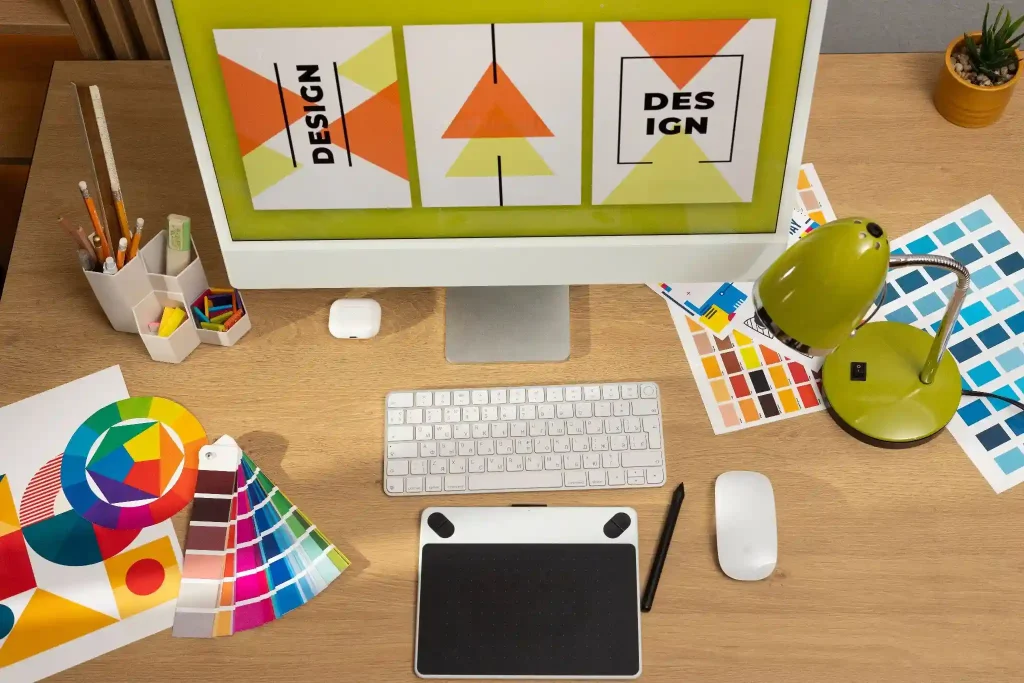
In our increasingly visual world, graphic design plays a pivotal role in communication, branding, and user experience. Whether you are creating a simple flyer or a complex website, understanding the core graphic design principles is essential for producing effective and engaging designs. For beginners, these principles serve as a foundation that can elevate your work and help you develop your unique style. In this article, we will explore the essential graphic design principles every beginner should learn, providing you with the knowledge to unlock your creative potential.
Understanding the Basics of Graphic Design
What is Graphic Design?
Graphic design is the art of visual communication, combining images, text, and symbols to convey messages effectively. It encompasses a wide range of disciplines, including branding, advertising, web design, and print media. At its core, graphic design is about problem-solving and storytelling through visuals. By mastering the basic principles of graphic design, beginners can create compelling visual narratives that resonate with their intended audiences.
The Role of Graphic Design in Modern Society
Graphic design is pervasive in our daily lives, influencing the way we perceive brands and messages. From the logos we recognize to the advertisements we encounter, effective graphic design shapes our experiences and expectations. It plays a crucial role in enhancing user experience, guiding viewers through content, and establishing emotional connections. Understanding how graphic design operates within various contexts helps beginners appreciate its significance and motivates them to learn the essential principles that underpin successful design.
The Core Graphic Design Principles
Balance and Symmetry
One of the foundational elements of graphic design is balance, which refers to the distribution of visual weight within a design. Achieving balance ensures that no single element overwhelms others, creating harmony and stability. There are three primary types of balance: symmetrical, asymmetrical, and radial.
Symmetrical balance involves arranging elements evenly on either side of a central axis, creating a mirror-like effect that evokes a sense of formality and order.
Asymmetrical balance utilizes different elements that have equal visual weight, achieving balance through contrast and variation. This type of balance can create a more dynamic and interesting composition.
Radial balance arranges elements around a central point, creating a circular flow that draws the viewer’s attention inward.
Understanding and applying balance in your designs can significantly enhance their effectiveness, making them visually appealing and easy to navigate.
Contrast and Hierarchy
Contrast plays a vital role in creating visual interest and ensuring that key elements stand out. By juxtaposing different colors, sizes, shapes, and textures, designers can highlight essential components and guide the viewer’s attention. For instance, using a bold font against a light background creates a striking contrast, making the text more legible and engaging.
Visual hierarchy refers to the arrangement of elements in a way that prioritizes information and directs the viewer’s eye. By utilizing size, color, and spacing, designers can establish a clear order of importance. For example, larger and bolder headings immediately catch the eye, while smaller text provides supporting details. Mastering contrast and hierarchy is crucial for effective communication in graphic design.
Alignment and Proximity
Alignment is the process of arranging elements along a common edge or axis, creating a visual connection between them. Proper alignment helps organize information and creates a sense of structure in a design. Misalignment can lead to confusion and disrupt the viewer’s experience.
Proximity refers to the placement of elements close to one another to signify their relationship. By grouping related items together, designers can create a coherent visual narrative, making it easier for viewers to process information. For instance, placing a caption near an image enhances understanding and reinforces the connection between the two.
Repetition and Consistency
Repetition involves using similar elements throughout a design to create cohesion and unity. This can include repeating colors, shapes, or fonts to establish a consistent visual language. Consistency helps reinforce brand identity and ensures that viewers can easily recognize and relate to the design.
In branding, maintaining consistency across various platforms and materials is vital. Whether it’s a website, social media post, or print advertisement, a unified design approach fosters recognition and trust. By understanding the importance of repetition and consistency, beginners can create designs that resonate with their audiences and leave a lasting impression.
Color Theory in Graphic Design
Understanding Color Basics
Color is a powerful tool in graphic design, capable of evoking emotions and influencing perceptions. Understanding the basics of color theory is essential for beginners. Colors are divided into three categories: primary, secondary, and tertiary. Primary colors (red, blue, and yellow) cannot be created by mixing other colors. Secondary colors (green, orange, and purple) are formed by mixing primary colors, while tertiary colors are a combination of primary and secondary colors.
Familiarity with color models, such as RGB (used for digital design) and CMYK (used for print), is also crucial. RGB consists of red, green, and blue light, creating colors on screens, while CMYK uses cyan, magenta, yellow, and black ink for printed materials. Understanding these models helps designers choose the right colors for their projects based on the medium.
The Psychology of Color
Colors have the power to evoke specific emotions and convey messages. For instance, blue often represents trust and calmness, while red can indicate passion or urgency. Understanding the psychology of color enables designers to select palettes that resonate with their target audience.
When creating a design, consider the emotions you want to evoke and choose colors that align with that intention. For example, if designing for a wellness brand, soft greens and blues can foster a sense of tranquility and health. Developing an understanding of color psychology will enhance your ability to communicate effectively through design.
Typography: The Art of Text
Choosing the Right Fonts
Typography is a critical aspect of graphic design, as the choice of font can significantly impact readability and overall aesthetic. When selecting fonts, consider how they align with the brand’s voice and message. For instance, a modern tech company may opt for sleek sans-serif fonts, while a luxury brand might choose elegant serif fonts.
Additionally, it’s essential to ensure that the font is legible across various sizes and mediums. Using too many different fonts can create visual chaos, so aim for a harmonious combination of two or three complementary fonts to maintain a cohesive look.
Hierarchy in Typography
Establishing hierarchy in typography is crucial for guiding the viewer’s attention. This can be achieved through variations in font size, weight, and style. Larger, bolder fonts should be used for headings to draw attention, while smaller fonts can be employed for body text.
Incorporating different weights of the same font family can also enhance visual hierarchy without creating dissonance. Effective typography not only improves readability but also enhances the overall design, allowing the content to shine.
Practical Tips for Applying Graphic Design Principles
Creating Your First Design Project
For beginners ready to dive into graphic design, starting a project can be both exciting and daunting. Begin by choosing a topic or purpose for your design, whether it’s a poster, flyer, or social media graphic. Sketch out your ideas on paper to visualize the layout and elements you want to include.
Next, select the appropriate tools and software. There are various platforms available, ranging from beginner-friendly options like Canva to more advanced software such as Adobe Illustrator and Photoshop. Familiarize yourself with the chosen tool and explore tutorials to learn the basics of graphic design.
As you begin creating, remember to apply the core graphic design principles discussed earlier. Focus on achieving balance, contrast, alignment, and repetition to enhance your design’s effectiveness. Lastly, don’t hesitate to experiment and iterate on your ideas; design is a journey of exploration and growth.
Seeking Feedback and Iteration
Feedback is an invaluable part of the design process. Sharing your work with peers, mentors, or online communities can provide fresh perspectives and constructive criticism. Embrace feedback as an opportunity to learn and refine your designs.
After receiving input, take the time to revisit your work and make necessary adjustments. Iteration is a crucial part of the design process; great designs often emerge from multiple rounds of revisions. By being open to feedback and continually improving your skills, you can develop as a designer and create compelling visual narratives.
Conclusion
Understanding the core graphic design principles is essential for any beginner looking to make their mark in the world of design. From balance and contrast to color theory and typography, these foundational concepts will guide you in creating effective and engaging designs. As you embark on your journey in graphic design, remember to practice, seek feedback, and embrace the learning process. With time and dedication, you’ll unlock your creative potential and develop a unique design style that resonates with audiences.
FAQs
What software is best for beginners in graphic design?
For beginners, user-friendly software like Canva is excellent for starting out. As you advance, consider Adobe Illustrator or Photoshop for more complex projects.
How long does it take to learn graphic design principles?
The time it takes to learn graphic design varies by individual, but with consistent practice and study, beginners can grasp the core principles within a few months.
Can I self-teach graphic design effectively?
Yes, many successful designers are self-taught. Utilizing online resources, tutorials, and practice can help you learn effectively on your own.
What are some common mistakes beginners make in graphic design?
Common mistakes include neglecting proper alignment, using too many fonts, and disregarding visual hierarchy. Being aware of these pitfalls can help you create more effective designs.