Life today often feels crowded. Not just with things, but with noise, decisions, and constant pressure. Many people reach a point where they begin to question it all. Do we really need so much to feel fulfilled? This is where the idea to adopt minimalist lifestyle begins. It is not about giving up everything. It is about creating space for what truly matters. Minimalism is not a strict rulebook. It is a personal journey. A shift in how you think, live, and prioritize your time and energy. When approached step by step, it becomes not only manageable but deeply rewarding.
Understanding What Minimalism Really Means
Minimalism is often misunderstood as extreme simplicity. In reality, it is about intentional living. To adopt minimalist lifestyle means choosing quality over quantity. It means keeping what adds value and letting go of what does not. It is not about having less for the sake of it. It is about making room for clarity, purpose, and peace. For some, this means decluttering their home. For others, it may involve simplifying schedules or reducing digital distractions. The core idea remains the same.
Why People Are Turning Toward Minimalist Living
The growing interest in minimalism is not случайный. It reflects a deeper desire for balance. Modern life often creates stress through excess. Too many choices, too many commitments, too many distractions. Minimalism offers relief. It allows people to regain control over their environment and their time. It also encourages mindfulness. When you own less, you become more aware of what you have and how you use it. This awareness leads to more meaningful living.
Preparing Your Mind Before Changing Your Space
Letting Go of Emotional Attachments
Items often carry memories and emotions
Letting go can feel difficult at first
Focus on the value of the memory, not the object
Mental preparation is essential. Without it, physical decluttering becomes overwhelming.
Defining Your Personal Purpose
Minimalism looks different for everyone. Some want more time, others seek less stress. Understanding your purpose helps guide your decisions. It keeps you focused and motivated throughout the process.
Starting Small: The First Steps Toward Minimalism
The biggest mistake people make is trying to change everything at once. This often leads to frustration. Instead, begin with small, manageable steps. A single drawer, a closet, or a corner of your home. These small wins build momentum. They create a sense of progress and encourage you to continue. Consistency matters more than speed. Minimalism is a gradual transformation, not an instant result.
Decluttering Your Physical Environment
Practical Approach to Letting Go
Keep items you use regularly
Remove duplicates and unused objects
Donate or recycle responsibly
Decluttering is not about perfection. It is about progress. Each item you remove creates more space and clarity.
Creating a Calm Living Space
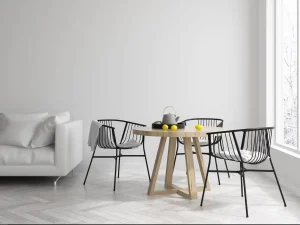
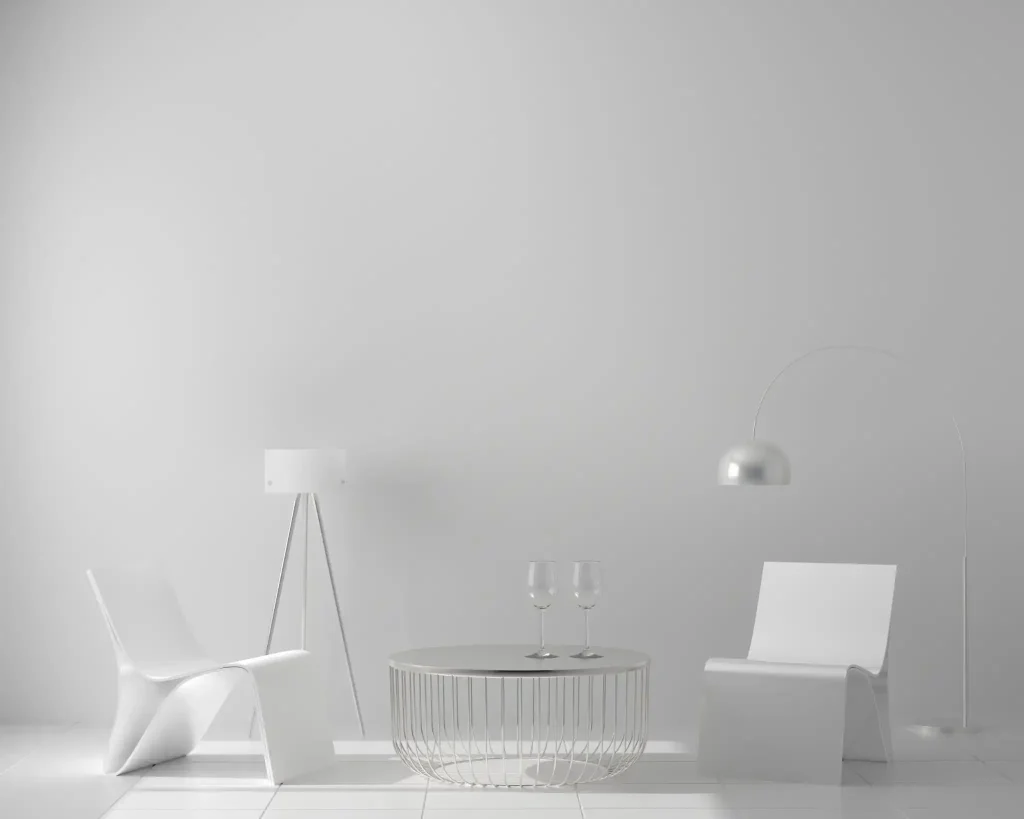
A minimalist environment feels open and peaceful. It reduces visual noise and promotes relaxation. Simple layouts, neutral colors, and functional design contribute to this atmosphere. Your home should feel like a place where you can breathe and think clearly.
Simplifying Your Daily Routine
Minimalism is not limited to physical space. It also applies to how you spend your time. A crowded schedule can be just as overwhelming as a cluttered home. Simplifying your routine means focusing on what truly matters. It involves reducing unnecessary commitments and creating time for rest and reflection. This shift leads to greater balance and well-being.
Managing Digital Clutter in a Connected World
Reducing Screen Overload
Limiting time on social media
Unsubscribing from unnecessary emails
Organizing digital files and apps
Digital clutter can be just as stressful as physical clutter. Managing it is an important step.
Creating Intentional Online Habits
Using technology with purpose improves focus and reduces distractions. It allows you to engage more meaningfully with content instead of consuming it passively.
Financial Simplicity and Conscious Spending
Adopting minimalism often leads to changes in spending habits. Instead of buying impulsively, you begin to think carefully about each purchase. This approach not only saves money but also reduces unnecessary accumulation. Financial simplicity creates a sense of control and security. It aligns your spending with your values.
Building a Minimalist Mindset
Minimalism is not a one-time effort. It is a mindset that evolves over time. It involves continuous reflection and adjustment. You begin to question habits, choices, and priorities. This awareness helps you stay aligned with your goals. Over time, minimalism becomes natural. It integrates into your daily life without feeling forced.
Common Challenges and How to Overcome Them
Letting go can be emotionally challenging. It is normal to feel attached to certain items or habits. Another challenge is external pressure. Society often promotes consumption and accumulation. Staying focused on your purpose helps overcome these obstacles. It is also important to be patient. Progress may be slow, but it is meaningful.
Expert Advice: Making Minimalism Sustainable
Experts emphasize the importance of balance. Minimalism should not feel restrictive. It should feel freeing. They recommend focusing on long-term habits rather than short-term changes. Another key insight is self-awareness. Understanding your needs and preferences helps you create a lifestyle that works for you. Experts also highlight the value of flexibility. Minimalism is not about strict rules. It is about making thoughtful choices.
The Emotional Benefits of Living With Less
Minimalism creates space, not just physically but emotionally. It reduces stress by eliminating unnecessary distractions. It allows you to focus on relationships, experiences, and personal growth. Living with less often leads to greater satisfaction. It shifts the focus from material possessions to meaningful moments. This emotional clarity is one of the most powerful aspects of minimalism.
Minimalism as a Long-Term Lifestyle Choice
Minimalism is not a trend. It is a sustainable way of living. It evolves with your life and adapts to your needs. As you continue to adopt minimalist lifestyle practices, you will find new ways to simplify and improve your environment. This journey is ongoing. It is not about reaching a final destination but about continuous growth.
Conclusion
Choosing to adopt minimalist lifestyle is a decision to live with intention. It is about creating a life that reflects your values and priorities. Through small, consistent steps, you can transform your environment and your mindset. Minimalism does not remove joy. It enhances it by making space for what truly matters. In the end, it is not about having less. It is about living more fully with what you choose to keep.
FAQs
How do I start adopting a minimalist lifestyle?
Start small by decluttering one area at a time and focusing on what adds value to your life. Gradually expand this approach to other areas.
Is minimalism expensive to maintain?
No, minimalism often reduces expenses. By buying less and focusing on quality, you can save money and avoid unnecessary purchases.
Can minimalism improve mental health?
Yes, reducing clutter and simplifying routines can lower stress and create a sense of calm, which positively impacts mental well-being.