
In recent years, a growing number of individuals have turned to minimalist living as a way to simplify their lives and focus on what truly matters. This lifestyle embraces the idea that less is often more, promoting simplicity and intentionality in various aspects of daily life. But what does minimalist living truly mean in modern society? It goes beyond mere decluttering; it encompasses a holistic approach to life that encourages individuals to evaluate their possessions, relationships, and priorities. In this blog post, we will delve into the meaning of minimalist living, its benefits, and how it can enrich our lives in today’s fast-paced world.
The Essence of Minimalist Living
Defining Minimalist Living
At its core, minimalist living is about intentionally simplifying one’s life by reducing excess and focusing on essential elements. This lifestyle encourages individuals to assess their belongings, habits, and commitments, allowing them to prioritize what truly adds value to their lives. Minimalist living is characterized by a commitment to quality over quantity, fostering a sense of clarity and purpose. It is important to distinguish minimalist living from merely decluttering; while decluttering is a part of the process, minimalism encompasses a broader philosophy that influences choices and attitudes.
The Historical Context of Minimalism
The roots of minimalism can be traced back to various philosophical and artistic movements throughout history. From the simplicity found in Eastern philosophies such as Zen Buddhism to the minimalist art movements of the 20th century, the concept of stripping away the unnecessary to reveal the essential has been a recurring theme. Minimalism has evolved as a response to consumerism and the overwhelming complexity of modern life, advocating for a lifestyle that prioritizes meaningful experiences and connections over material possessions.
The Benefits of Minimalist Living
Mental Clarity and Focus
One of the most significant benefits of adopting a minimalist lifestyle is the enhanced mental clarity and focus that comes from reducing clutter and distractions. A cluttered environment can contribute to feelings of stress and anxiety, making it difficult to concentrate on important tasks. By simplifying your surroundings and eliminating unnecessary items, you create a tranquil space that promotes relaxation and productivity. Numerous studies have shown that individuals who embrace minimalism experience reduced stress levels and improved mental well-being, allowing them to focus on their goals and passions more effectively.
Financial Freedom
Minimalist living can also lead to greater financial freedom. By prioritizing needs over wants and making conscious choices about spending, individuals can significantly reduce their expenses. This shift in mindset encourages people to invest in quality items that last, rather than accumulating a multitude of cheap, disposable products. Real-life examples abound of individuals who have adopted minimalist lifestyles and found themselves in better financial situations, enjoying increased savings and reduced debt. By focusing on what truly matters, minimalism can pave the way for a more secure and fulfilling financial future.
Minimalism in Modern Lifestyles
Minimalism in Home Design
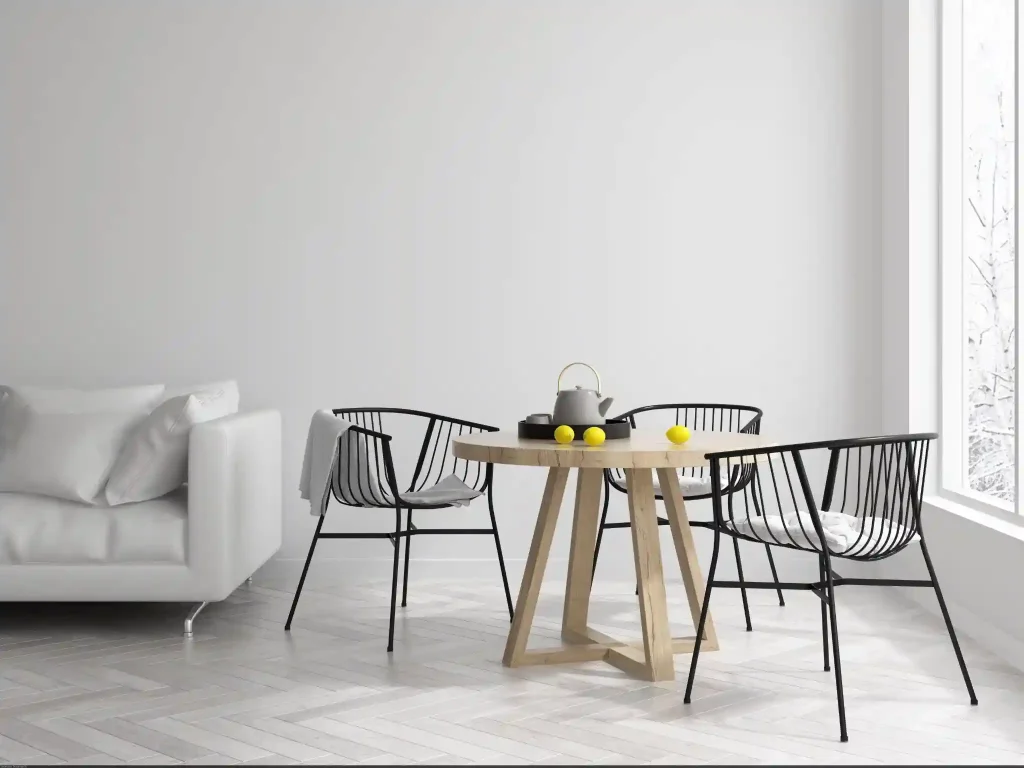
In recent years, minimalist design has become a dominant trend in architecture and interior design. Homes characterized by clean lines, open spaces, and a lack of clutter reflect the principles of minimalist living. This design philosophy emphasizes functionality and simplicity, allowing individuals to create serene environments that promote well-being. Minimalist homes often incorporate natural materials, ample natural light, and thoughtful design elements, fostering a sense of harmony and connection to the surrounding environment. As more people seek to create peaceful havens, minimalist design continues to gain popularity.
Minimalism in Consumer Choices
The rise of minimalist living has also influenced consumer behavior, leading to a greater emphasis on sustainable and ethical choices. Individuals are increasingly aware of the environmental impact of their purchases, prompting a shift towards quality over quantity. Minimalism encourages consumers to choose products that are durable, ethically sourced, and environmentally friendly. This conscious approach to consumption not only benefits the planet but also fosters a sense of responsibility and mindfulness in purchasing decisions. By aligning their values with their consumer habits, individuals can contribute to a more sustainable future while simplifying their lives.
Practical Steps to Embrace Minimalist Living
Evaluating Your Belongings
One of the first steps toward embracing minimalist living is to evaluate your belongings critically. This process involves assessing what to keep and what to let go of, focusing on items that truly enhance your life. Techniques such as the Marie Kondo method encourage individuals to ask themselves whether each item sparks joy or serves a practical purpose. Mindfulness plays a crucial role in this process, as it helps individuals make informed decisions about their possessions. By letting go of items that no longer serve you, you create space for what truly matters.
Creating a Minimalist Mindset
Adopting a minimalist mindset goes beyond decluttering; it involves cultivating a way of thinking that prioritizes simplicity and intentionality. Strategies for developing this mindset include setting clear goals, practicing gratitude, and learning to appreciate the present moment. By focusing on what is essential and letting go of distractions, individuals can create a more fulfilling life. This mindset shift encourages individuals to prioritize experiences and relationships over material possessions, leading to a more meaningful existence.
Minimalism and Relationships
Nurturing Connections
Minimalist living can have a profound impact on personal relationships and social interactions. By simplifying commitments and focusing on quality over quantity, individuals can nurture deeper connections with friends and family. Minimalism encourages meaningful conversations, shared experiences, and intentional time spent with loved ones. As you prioritize relationships that truly matter, you may find that your social circle becomes more supportive and fulfilling. This focus on meaningful connections can enhance overall well-being and create a sense of belonging.
Community and Minimalist Living
Community plays a significant role in supporting a minimalist lifestyle. Many individuals find that sharing their minimalist journey with others fosters accountability and encouragement. Minimalist communities, both online and offline, provide valuable resources, inspiration, and support for those looking to embrace this lifestyle. Shared living arrangements, such as co-housing or intentional communities, further exemplify the principles of minimalism by promoting collaboration and connection among like-minded individuals. Engaging with a community can enhance the minimalist experience and provide a sense of belonging.
Conclusion
Minimalist living offers a pathway to a more intentional and fulfilling life. By embracing simplicity, individuals can experience enhanced mental clarity, financial freedom, and deeper connections with others. As we navigate the complexities of modern life, the principles of minimalism provide valuable insights into what truly matters. Whether you are just beginning your minimalist journey or seeking to deepen your understanding, consider exploring the transformative power of living with less. Embracing minimalism is not just about decluttering; it is about creating space for what truly enriches your life.
FAQs
What is minimalist living?
Minimalist living is a lifestyle choice that emphasizes simplicity, intentionality, and the pursuit of quality over quantity, focusing on what truly matters in life.
How can minimalism improve mental well-being?
Minimalism reduces clutter and distractions, leading to enhanced mental clarity and reduced stress levels, allowing individuals to focus on their goals and passions.
Is minimalism just about decluttering?
While decluttering is a significant aspect of minimalism, it encompasses a broader philosophy that influences choices, relationships, and overall lifestyle.
Can anyone adopt a minimalist lifestyle?
Yes, anyone can adopt a minimalist lifestyle by evaluating their possessions, creating a minimalist mindset, and prioritizing what truly enriches their lives.